Region, language and currency

Currency follows the market of the selected country.

Family history isn't destiny.
Find out which parts you carry.

Illustrative scenario and imagery — not a customer testimonial

A mum's diagnosis can start a family's questions about inheritance. CircleDNA Premium offers genetic information to discuss with your doctor — not a diagnosis or a prediction of whether you will become ill.

65disease-risk reports
Cancerscreening markers
1-on-1genetic consultation
Alongsideyour doctor, never instead
Understand your choices

Two questions before you decide.

Will this tell me I will get cancer?

No. Genetic risk is not a diagnosis, and an average-risk result does not rule out cancer. Screening remains a conversation with your doctor.

Read the cancer-risk FAQ

Do I actually want to know?

It is a personal choice, and results can bring mixed emotions. Seek genetic counselling before learning sensitive information such as Alzheimer’s risk. Before ordering, ask support which results are disclosed and what viewing choices are available.

Read about choosing to know
Inside the CircleDNA app

See what your family history means in the app.

Open the Disease Risk and Cancer Screening reports in the CircleDNA app to put specific genetic findings behind a family-history conversation.

Disease Risk
Review hereditary health predispositions, including cardiovascular and neurological risks.
Cancer Screening
Explore the hereditary cancer findings relevant to a discussion with your doctor.
Genetic consultation
Bring questions from your reports to the included consultation, then discuss next steps with your clinician.

A genetic risk result is not a diagnosis. A lower-risk result does not rule out disease or replace screening.

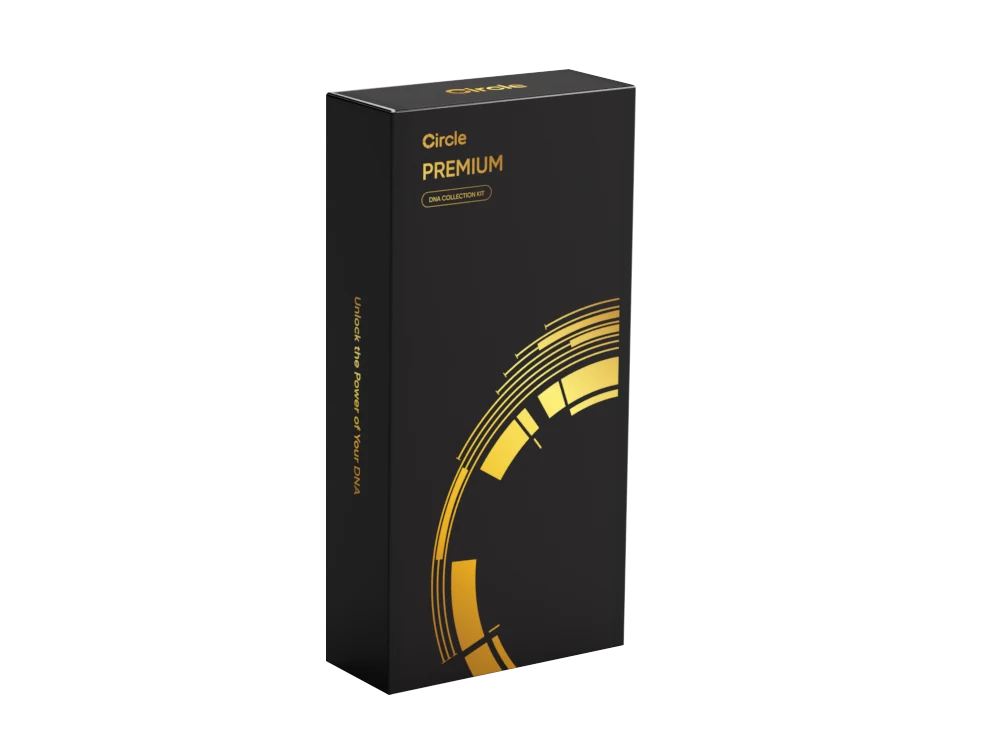
Explore Premium DNA Test
CircleDNA app cancer screening report preview
App report preview. Your results are personal to you.
Illustrative scenario · not a customer testimonial

From family history to a prepared conversation.

This fictional timeline shows one way to consider testing, not a real experience or test result.

Family history

After mum’s diagnosis

In this fictional scenario, a woman’s mum was diagnosed at 52. She wonders whether inheritance played a part. Family history alone cannot answer that question.

Considering

Talk about what you want to know

She discusses the limits of testing, possible emotional effects and her readiness to learn results with a qualified professional. Choosing not to test now is also a personal choice.

Before deciding

Understand what is disclosed

Before ordering, she asks support which results are disclosed, including Alzheimer’s-related information, and seeks genetic counselling. This scenario does not assume any result can be hidden.

If she chooses to test

Bring the report to a clinician

She can discuss the report alongside her family history and personal health to consider whether further evaluation is appropriate. The report alone does not set a screening schedule or guarantee reassurance or a health outcome.

CircleDNA reports describe genetic predisposition, not a diagnosis. Results are designed to be taken to a qualified clinician — your complimentary genetic consultation helps you prepare for that conversation.
Not destiny

Family history isn't destiny.
Understanding inheritance can start with a conversation.

Inheritance is a deal of cards, not a photocopy. You receive half your genetic information from each parent, but not every variant they carry. Testing may inform a conversation with your doctor; it cannot determine whether you will develop a condition.

Hereditary cancer markersCardiovascular riskDementia & brain healthDrug response
♥From mum
♦From mum
♣From dad
♠From dad
Half from each parent. Which half? That's what the test reads.
Disease Risk · sample reportIllustrative
Breast cancer (BRCA1/2 & related)12 genes · hereditary cancer panel
Average
Coronary artery diseasePolygenic + monogenic markers
Slightly higher
Colorectal cancer (Lynch-related)MLH1 · MSH2 · MSH6 · PMS2
Average
Late-onset Alzheimer's (APOE)Dementia & brain health · Before choosing to know
Average
Type 2 diabetesCommon health risk
Average
What to do with this → Take to your GP: discuss whether screening is appropriate alongside your family history, symptoms and other risk factors. These illustrative results are not a diagnosis.
How a risk report works

Clear levels. Named genes. Next steps.

65 disease-risk reports and a dedicated cancer-screening panel present genetic results and related markers in plain language to discuss with your doctor.

1
Your level, in context

Average, slightly higher or higher than the general population — never a prediction of certainty.

2
The genes behind it

Whole-exome sequencing reads the coding regions of genes like BRCA1/2, MLH1, APOE and LDLR — not just a few known positions.

3
A conversation starter

Every elevated result comes with screening and lifestyle guidance to bring to your doctor, plus a complimentary 30-minute genetic consultation.

Illustrative family conversation · not a real chat

A family conversation, at your own pace.

Genetic information may be relevant to relatives, but testing and sharing results are individual decisions. A clinician or genetic counsellor can explain what a particular result means for your family. Current Family 5-Pack price per kit: ….

Add Family 5-PackMe + one sibling
Example family chatFictional dialogue · not a testimonial
MeMum’s history has made me want to talk to my doctor about genetic risk.
SisterWhat could a test tell us?
MeIt cannot diagnose illness. I want to ask what results are disclosed and understand the limits first.
BrotherI’m not sure I want to know yet.
MeThat’s okay. We can ask questions and each decide for ourselves.
Premium Family · 5 kits… per kit · confirm total in cart
SisterLet’s write our questions down.
Featured inForbesTechCrunchTechRadarCosmopolitanHindustan Times
Start with a conversation

Find out which parts you carry.

Confirm current pricing in your cart. Complimentary genetic consultation and free 2-way shipping included.

View Premium pricingFamily 5-Pack